

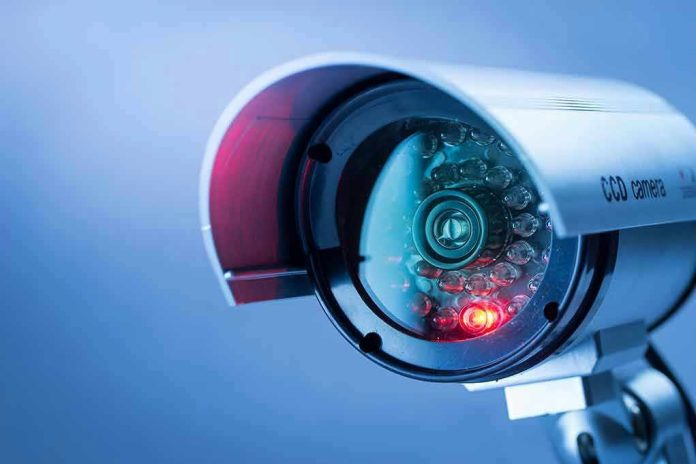
South Korean authorities arrested four criminals who hacked over 120,000 security cameras to produce and sell sexually exploitative videos, exposing a massive vulnerability in consumer IoT devices that threatens the privacy of millions of Americans relying on home security systems.
Quick Take
- Four arrested for hacking 120,000+ cameras and producing illicit videos sold through virtual currency transactions
- Perpetrators exploited weak default passwords on IP cameras in homes, gyms, and medical clinics
- Primary suspects earned $12,000 and $6,300 respectively from selling hundreds of videos
- Case exposes systemic failures in IoT device security standards and manufacturer negligence
- Victims face psychological trauma while authorities work internationally to shut down distribution networks
Massive Scale of Compromise Reveals IoT Security Crisis
The investigation uncovered a staggering 120,000 compromised internet-connected cameras spanning private residences, commercial fitness facilities, and medical clinics across South Korea.
Two primary suspects alone produced over 1,150 videos that were sold through a dedicated website, generating approximately $18,300 in virtual currency profits. This scale demonstrates how widespread consumer-grade security vulnerabilities have become, with manufacturers prioritizing affordability over fundamental protection of users’ private spaces and personal dignity.
Weak Passwords Enable Criminal Access to Intimate Spaces
South Korean National Police revealed that perpetrators exploited embarrassingly simple default passwords on IP cameras, including repetitive letter sequences that any competent hacker could guess within minutes. The agency emphasized that victims failed to change manufacturer-provided credentials, leaving their homes, businesses, and medical facilities completely exposed to remote access.
This negligence—both by manufacturers shipping devices with weak defaults and consumers failing to secure them—created an open door for criminal exploitation of intimate moments.
Organized Criminal Infrastructure Monetizes Stolen Intimate Content
The suspects operated a systematic production and distribution operation, uploading hundreds of videos to a dedicated website where customers purchased access using virtual currency.
While the suspects operated independently without formal coordination, they exploited identical vulnerability vectors and utilized the same distribution platform, demonstrating how decentralized criminal ecosystems can achieve sophisticated organization. Three additional individuals were arrested for purchasing or viewing the illicit material, indicating demand existed for this stolen content.
Government Response and Ongoing Investigation
South Korean authorities initiated victim notification procedures and are providing guidance on device security measures while working with foreign law enforcement agencies to dismantle the distribution infrastructure. The National Police Agency warned that viewing such material constitutes a serious crime and emphasized that illegal filming inflicts “immense suffering” on victims.
However, authorities acknowledge the investigation remains ongoing, with potential for additional arrests as international cooperation progresses to identify website operators and secondary perpetrators.
Long-Term Implications for Consumer Privacy and Regulation
This case will likely catalyze regulatory intervention requiring manufacturers to implement mandatory password complexity requirements, automatic security updates, and stronger default configurations on all IoT devices.
The 120,000 compromised devices represent only the victims in this single investigation; experts recognize similar vulnerabilities exist across millions of American homes and businesses. Consumer behavior will likely shift toward greater skepticism of connected security devices, potentially driving demand for more secure alternatives or prompting stricter government oversight of IoT manufacturer practices.
Sources:
Cops: They Made Sex Videos—by Hacking 120K Cameras
Tesla Camera Scandal: Latest Lesson in Dangers of Letting Companies Record You