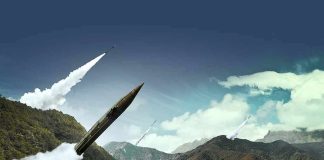

CNN’s latest “Trump started a new war” narrative ran headfirst into a basic problem: the panel debate hinged on intelligence claims the public still can’t verify.
Quick Take
- Scott Jennings pushed back on CNN panelists who suggested President Trump launched an unprovoked war with Iran.
- Jennings said senior Trump administration officials briefed him that Iran was planning preemptive missile strikes on U.S. troops and civilian targets.
- A U.S.-Israel joint operation reportedly hit Tehran on Feb. 28, 2026, with Jennings framing it as defensive action.
- Available reporting cited in the research provides limited independent confirmation of the underlying intelligence or the strike details.
What Jennings Claimed the Briefing Said—and Why It Matters
Scott Jennings, a Republican strategist and CNN contributor, confronted fellow panelists who argued President Trump “started a new war” with Iran. Jennings’ rebuttal centered on what he described as direct briefings from senior administration officials: intelligence indicating Iran was preparing preemptive missile strikes against U.S. military personnel and civilian targets in the region. Under that account, the Feb. 28 U.S.-Israel action becomes a preemptive defense decision, not a first strike for escalation’s sake.
Jennings’ core point is straightforward: if credible intelligence showed an imminent Iranian attack, the moral and strategic framing changes. Conservatives who value national defense and deterrence tend to judge these moments by whether Americans were at risk and whether leadership acted decisively. But the public standard in a constitutional republic also matters—major claims about imminent threats demand documentation, especially when cable news arguments harden into political “facts” within minutes.
Timeline and Known Facts Are Thin Outside the TV Fight
The research describes explosions in Tehran during a joint U.S.-Israel operation on the morning of Feb. 28, 2026, followed by Jennings’ on-air pushback “hours after” the strikes. Beyond that basic sequence, key operational details remain unclear in the provided material: targets, scale, casualties, and whether Iran launched or attempted any missile strikes beforehand. The limited data isn’t just a media problem; it affects accountability and public understanding when Americans are told a new conflict has begun.
The research also notes no confirmed Iranian retaliation or U.S. follow-up actions in the immediate window covered. That lack of reported escalation could support the argument that the operation was designed to deter or disrupt planned attacks rather than expand hostilities. Still, absence of reports is not proof of absence, and the available sources in the research package do not provide independent verification of the intelligence Jennings says he received.
Media Framing vs. Evidence: Where the Argument Gets Slippery
The central weakness in the story as presented is verification. The key claim—senior officials briefing Jennings about Iran’s planned preemptive strikes—could be accurate, exaggerated, or selectively presented, and the research itself flags that the cited material does not include a transcript, official readout, or a linked CNN clip that conclusively documents the exchange. That leaves viewers stuck choosing between competing narratives: “Trump started it” versus “Trump prevented it,” without the hard evidence voters deserve.
Conservative audiences have lived through this pattern before: the press leaps to motive-based conclusions about Trump while treating classified or semi-classified claims as convenient props when they support a preferred storyline. At the same time, conservatives also know that “trust us” briefings—no matter who they come from—shouldn’t be the final word. Strong national defense and limited government both rely on transparent justification whenever the executive branch uses force abroad.
Why the Iran Question Keeps Returning Under Trump
The broader context outlined in the research is familiar: decades of U.S.-Iran tensions since 1979, Iran’s proxy network, and repeated attacks involving U.S. interests in the Middle East. The research also references the 2020 Soleimani strike and the ensuing debate—critics warning of escalation, supporters emphasizing deterrence and defense. That historical echo helps explain why cable panels reflexively treat any strike as “war,” while supporters focus on whether a threat was imminent and whether deterrence was restored.
In 2026, the political stakes are higher because the country is coming off years of frustration over domestic overreach, inflation, border chaos, and ideological governing—making many voters allergic to foreign-policy lectures from the same voices that dismissed their concerns at home. That doesn’t mean every strike is automatically wise, but it does mean the burden is on commentators to separate verified facts from rhetorical talking points, especially when labeling actions as “starting a war.”
What Americans Should Watch for Next
The most responsible takeaway right now is conditional: if independent reporting confirms that Iran was preparing imminent strikes on U.S. personnel or civilians, then the “Trump started a war” line is materially misleading. If that intelligence cannot be substantiated, then Jennings’ defense remains an argument based on an alleged briefing rather than publicly checkable evidence. Either way, the public should watch for official statements, declassified summaries, allied confirmations, and any verifiable operational details that clarify what happened on Feb. 28.
It Stops NOW: Scott Jennings Blows the DOORS Off CNN Panelists Claiming Trump 'Started a New War' (Watch) https://t.co/vkXd271I2k
— ConservativeLibrarian (@ConserLibrarian) March 2, 2026
Americans should also watch how quickly media outlets correct the record when new facts emerge. Calling something a “new war” is not a throwaway phrase; it shapes public consent and pressures policymakers into escalation or retreat. A serious debate requires more than panel heat—it requires evidence, clear timelines, and accountability for anyone who sells the public a storyline that later collapses under scrutiny.
Sources:
Senior Administration Officials Told Scott Jennings That Iran Had Planned Preemptive Strikes
CNN’s ‘Diehard Donald Trump Fan’ Scott Jennings Has a New Warning About Tariffs