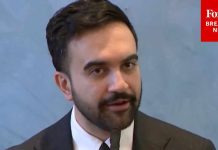
Southern Baptist Convention faithful finally forced out a divisive leader by repeatedly declaring “trust has been breached,” signaling a grassroots revolt against political overreach in America’s largest Protestant denomination.
Story Highlights
- SBC messengers voted “trust has been breached” on ballots over multiple years, culminating in ERLC President Brent Leatherwood’s July 2025 resignation amid internal political discord.
- The phrase echoes broader erosions of trust in institutions, from corporate privacy failures flipping consumer loyalty to sharp declines in public confidence in science.
- Historical abuses like the Tuskegee Syphilis Study fuel ongoing scientific distrust, dropping from 87% in 2020 to 73% in 2023.
- Business experts urge shifting from privacy compliance to “trust professionals” to protect revenue and innovation.
- Proposals like “science courts” aim to rebuild public faith through impartial juries, highlighting needs for accountability across sectors.
SBC Leadership Falls to Voter Revolt
SBC messengers at annual meetings signaled distrust through ballots marked “trust has been breached” over the last couple of years. This political discord within the Southern Baptist Convention, America’s largest evangelical denomination, prompted Ethics and Religious Liberty Commission President Brent Leatherwood to announce his resignation in July 2025. Annual meeting voters exercised their veto power, eroding leadership authority and demanding accountability. Post-resignation, the denomination faces uncertainty as members seek alignment with core conservative values.
Corporate Privacy Breaches Threaten Economic Stability
Privacy scandals since 2013 have amplified compliance costs, stifling business innovation and flipping consumer emotions from love to hate when trust breaks. International Association of Privacy Professionals expert Ilana Westerman argues companies must evolve into “trust professionals” to prioritize freedom and revenue over mere control. Examples like Apple demonstrate how trust builds loyalty, while breaches create purchase barriers and commodify products. Funders and executives hold data power, but consumers drive accountability through boycotts.
Scientific Overreach Erodes Public Confidence
Public trust in science plummeted from 87% in 2020 to 73% in 2023, accelerated by COVID politicization and historical abuses. The Tuskegee Syphilis Study withheld treatment from Black men from 1932 to 1972, while Henrietta Lacks’ cells were used without consent in 1951. These precedents, alongside 1960s-1970s nuclear and war distrust, silo scientists from alienated publics. Pew Research metrics show positive views of science fell from 73% to 57% between 2019 and 2023, empowering skeptics and complicating policies on genome editing.
Paths to Rebuild Institutional Trust
Wellcome Trust’s 2022 jury on embryo editing produced nuanced policy recommendations, modeling deliberative democracy. Professor Ellad Tadmor advocates “science courts” with impartial juries to resolve disputes like nuclear power, bridging divides without federal overreach. In business, trust-focused strategies counter privacy drains; in religion, voter revolts enforce fidelity to traditional principles. These approaches emphasize limited government intervention and individual accountability, aligning with conservative calls for self-reliance over bureaucratic fixes.
Short-term impacts include leadership vacuums in SBC, resource strains in tech, and policy stalls in science. Long-term, sustained alienation risks institutional discord, but grassroots mechanisms offer hope for restoration grounded in facts and common sense.
Sources:
Christianity Today: ERLC’s Brent Leatherwood to Resign Amid SBC Politics
IAPP: From Privacy to Trust Professionals
Gavi VaccinesWork: Could Science Courts Help Build Public Trust?