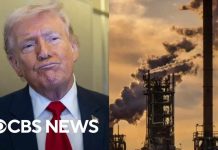
Iran’s chokehold on the Strait of Hormuz is turning the world’s most important oil corridor into a battlefield—and Trump says that ends “very, very quickly.”
Quick Take
- President Trump said the U.S. will deliver “great safety” for oil tankers transiting the Strait of Hormuz as shipping stalls amid the Iran war.
- Iran-linked attacks hit multiple commercial vessels, while the Pentagon reported U.S. strikes on Iranian mine-laying boats.
- The Strait of Hormuz carries roughly one-fifth of global oil trade, making any disruption a direct threat to energy prices and supply chains.
- Trump and his team framed the response as defending freedom of navigation, while Iran signaled it will not be intimidated.
Trump’s “Great Safety” Pledge Meets a Real-World Shipping Crisis
President Donald Trump told reporters at the White House on March 11, 2026 that oil tankers moving through the Strait of Hormuz should expect “great safety” and that it would come “very, very quickly.” The comment landed as war-driven instability around Iran intensified and commercial traffic in the narrow waterway slowed sharply. The Strait’s role as the key gateway from the Persian Gulf makes it a pressure point that can ripple into fuel prices and household costs far beyond the region.
U.S. statements over the prior 24 hours emphasized deterrence and rapid military action. Trump used social media to warn of severe consequences if Iran did not remove alleged mines, while U.S. officials described strikes against Iranian vessels associated with mine-laying activity. Public reporting also highlights a central uncertainty: Trump said mines had not been confirmed in the waterway even as U.S. warnings focused on preventing a mine-driven blockade. That gap—threat intelligence versus confirmed facts—keeps markets and shippers on edge.
Ship Attacks, Mine Fears, and the Pentagon’s Reported Strikes
Commercial shipping faced direct danger on March 11 as Iranian drones or projectiles struck multiple vessels, including the Thai-flagged Mayuree Naree and the Marshall Islands-flagged Star Gwyneth, with another container vessel also reported hit. Updates indicated fires were extinguished, crews were safe, and no environmental damage was reported at the time. Even without a catastrophic spill, the attacks reinforce why insurers, shipowners, and charterers treat the area as an active combat zone, driving rerouting and premium spikes.
Pentagon and administration messaging pointed to repeated U.S. action against Iranian boats alleged to be involved in laying mines. Reporting described U.S. strikes destroying mine-laying vessels over March 10–11, framed as a preemptive effort to keep the Strait open rather than waiting for a major incident. Defense Secretary Pete Hegseth and White House Press Secretary Karoline Leavitt underscored a posture of protecting freedom of navigation—language that typically signals a U.S. willingness to use force to keep international trade lanes from being coerced shut.
Why Hormuz Matters: A Narrow Chokepoint With Wide Consequences
The Strait of Hormuz is only about 21 miles wide at its narrowest point, yet it handles roughly 20% of global oil trade. That reality explains why even limited attacks can create outsized panic: shipping schedules break, alternative routes add time and fuel costs, and crude markets price in the risk of escalation. For Americans who already lived through years of inflation and energy-price whiplash, the idea of a hostile regime threatening this corridor looks like a direct challenge to economic stability.
The current escalation also differs from past episodes such as the 2019 tanker incidents or the 1980s “Tanker War.” Research provided describes an active U.S.-Israeli conflict with Iran and a destabilized Iranian leadership picture after the reported death of Supreme Leader Ali Khamenei, followed by Mojtaba Khamenei’s succession amid injury rumors. When leadership is in flux and battlefield tempo is high, miscalculation risk rises—especially in tight waterways where drones, mines, and patrol craft can turn a localized clash into a global economic shock.
Competing Narratives and What Can Be Verified Right Now
The administration’s narrative is straightforward: Iran is using asymmetric tools—drones and mines—to squeeze global commerce, and the U.S. will restore safe passage fast. Iran’s narrative is also clear from reported statements: officials dismissed U.S. warnings as empty, projected resolve, and signaled possible escalation beyond the waterway, including threats tied to financial targets. The strongest verifiable facts in the research are the reported ship strikes, the traffic disruption, and U.S. claims of strikes on mine-laying assets; mine presence itself remained unconfirmed in Trump’s comments.
Trump vows ‘great safety’ for oil tankers in Strait of Hormuz after vessels hit by projectiles
Follow our live coverage of the Iran-Israel-US war here:https://t.co/2pAsT9vZoW pic.twitter.com/yLwvXjw5HW
— Dawn.com (@dawn_com) March 11, 2026
For U.S. policy, the near-term test is whether military pressure can reopen traffic without widening the war or triggering further attacks on civilian crews. For voters who favor constitutional limits and accountable government, the key question is clarity: what objectives are being pursued, what threats are confirmed, and what actions are tied to protecting Americans from the downstream impact of higher energy costs. The research suggests the White House is aiming to deter Iran rapidly while keeping the world’s energy lifeline from becoming a permanent hostage situation.
Sources:
Trump vows ‘great safety’ for oil tankers in Strait of Hormuz
Trump Threatens Iran With “Death, Fire, and Fury” Over Oil Blockage in the Strait of Hormuz
Iran war live updates: Ship attacks in Persian Gulf as tensions rise over Strait of Hormuz