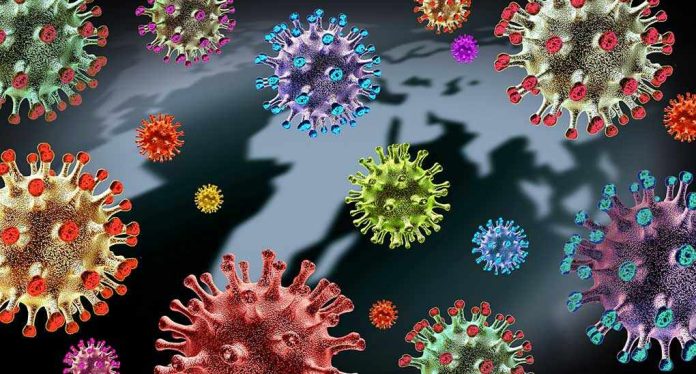
A hidden virus lurking in everyday gut bacteria could unlock non-invasive early detection for colorectal cancer, the second deadliest cancer striking American families.
Story Highlights
- Researchers discovered a previously unknown bacteriophage inside Bacteroides fragilis bacteria, twice as common in colorectal cancer patients.
- International study of 877 people across Europe, U.S., and Asia confirms strong statistical link to cancer risk.
- Potential for simple stool tests to catch cancer early, avoiding invasive colonoscopies and saving lives and healthcare dollars.
- Resolves scientific paradox why common gut bacteria signals danger in some but not others.
- Early-stage research promises preventive interventions before deadly tumors form.
Breakthrough Discovery in Gut Microbiome
Scientists identified a novel bacteriophage virus inside Bacteroides fragilis, a common gut bacterium. This virus appears approximately twice as often in colorectal cancer patients compared to healthy individuals. Lead researcher Flemming Damgaard from Odense University Hospital in Denmark uncovered this through genetic sequencing of bacterial samples. The finding explains a long-standing paradox: why the same bacterium shows up in both healthy guts and cancer cases. Published in early April 2026, the study highlights interactions between bacteria and viruses as key to cancer risk.
International Validation Strengthens Findings
Initial signals emerged from a Danish study tracking patients with bloodstream infections from B. fragilis, some of whom later developed colorectal cancer. Researchers verified results in a larger cohort of 877 adults spanning Europe, the U.S., and Asia. This global scope ensures broad applicability, including for Americans facing high colorectal cancer rates. Colorectal cancer ranks as the third most common globally and second leading cause of cancer deaths, hitting developed nations hardest. Advances in sequencing technology made pinpointing this hidden virus possible.
Path to Non-Invasive Screening
Experts see promise in stool sample analysis to detect the virus, offering a simple alternative to invasive colonoscopies. Dr. Michael Chuong, radiation oncologist at Miami Cancer Institute, notes bacteria-virus interactions may signal cancer risk, potentially improving early detection. Dr. Luis Hernandez, colorectal surgeon at Baptist Health, suggests screening could intervene before gut dysbiosis leads to tumors. Research remains experimental; no clinical tests exist yet. Further studies must clarify if the virus causes harm or just correlates with it.
The virus appears in healthy people too, indicating association rather than direct causation. Healthcare systems could adopt this for risk stratification, refining who needs aggressive screening. Patients stand to gain most, especially in high-incidence areas like the U.S.
Impacts on Families and Public Health
Early detection via stool tests could slash late-stage treatment costs, easing burdens on families and taxpayers. Long-term, targeted therapies might prevent dysbiosis, shifting colorectal cancer toward a preventable disease. Pharmaceutical firms eye microbiome drugs, while diagnostics companies develop kits. Broader research into gut signals for other cancers may follow. Limited data on exact mechanisms and timelines tempers optimism; validation remains essential before routine use.
Sources:
Hidden Virus Found in Gut Bacteria Is Linked to Colorectal Cancer
Gut Virus Colorectal Cancer Study
Study Links Hidden Virus in Gut Bacteria to Colorectal Cancer Risk
Mysterious Virus Hiding Inside Common Gut Bacterium Linked to Colorectal Cancer
Scientists Discover Hidden Gut Signals That Could Detect Cancer Early
Broader Colorectal Cancer Microbiome Context