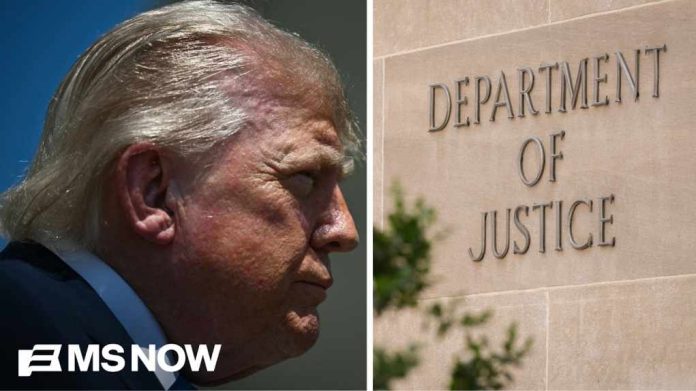
One disputed fund may matter less for its dollar figure than for the quiet question underneath it: who gets to decide when the government pays out and on what rules.
Quick Take
- Republican senators objected to a proposed $1.8 billion Department of Justice fund tied to a settlement framework.
- Sen. Bill Cassidy warned the fund could operate with “no legal precedent or accountability,” while Sen. John Thune said the Justice Department would need guardrails [1].
- Reporting said the text was not public, which left the commission structure and eligibility rules unclear at the time of the dispute .
- The fight helped delay related Senate action, turning a policy dispute into a broader test of congressional control.
Why This Fight Turned So Fast
The dispute over the Department of Justice “anti-weaponization” fund exploded because the stakes were familiar, but the structure was not. Senators were not simply arguing about whether some people deserved compensation. They were arguing about whether the executive branch could design a large payout system before Congress saw the text. Cassidy’s criticism cut straight to the nerve of the issue: taxpayers should not be handed a $1.8 billion pot without accountability [1].
That message landed because it fit a bigger public mood. Voters who worry about rent, groceries, and gas do not like the smell of a government slush fund, especially one described in partisan language. Thune’s call for guardrails showed that even Republicans who did not want to torpedo the idea outright understood the political danger. Once a proposal looks like a payout machine first and a legal remedy second, trust collapses fast [1].
What the Reporting Says About the Proposed Structure
ABC News reported that the money would be managed by a five-person commission appointed by Acting Attorney General Todd Blanche, with little oversight beyond presidential removal power . That detail matters because structure is destiny in Washington. A commission can sound orderly, but if the appointing power sits too close to the White House, critics will assume the result is controlled from the top. The unanswered question is whether the commission serves as a shield or a fig leaf .
The same reporting said the bill text had not been made public, which left senators debating a moving target . That missing document is not a minor gap. It is the whole ballgame. Without the language, no one outside the room can verify who qualifies, who is excluded, whether violent offenders are barred, or what review process exists. In that vacuum, every warning sounds plausible and every defense sounds incomplete .
Why Conservative Skepticism Resonated
Conservative objections gained traction because they matched common-sense instincts about limited government. If the federal government wants to settle a claim, it should explain the rules openly and let Congress exercise its power of the purse. That is not a technical quibble; it is a basic control on executive overreach. When lawmakers fear that awards could go to people without a viable court claim, they are not being theatrical. They are asking whether law has been replaced by discretion [1].
GOP SENATORS REBEL AGAINST TRUMP, DELAY KEY VOTE OVER $1.8B 'ANTI-WEAPONIZATION' FUND
Senate Republicans derailed a vote on immigration crackdown funding, furious over a DOJ push for a fund to pay alleged victims of political persecution. Tensions flared as acting AG Todd…
— STOCK DUTY (@stock_duty) May 22, 2026
The Capitol Police lawsuit sharpened that skepticism by adding a blunt moral warning. Officers who defended the Capitol on January 6 asked a federal court to block the fund because they feared it could end up compensating extremist offenders [1]. That possibility may or may not prove true, but the fact that it was even on the table explains the fury. A compensation program loses legitimacy the moment citizens suspect it could reward conduct the public sees as criminal or politically favored.
What Happens When Congress Gets Bypassed
The practical consequence was immediate: the Senate delayed related action, and the dispute spilled into broader funding fights [2]. That is how Washington often works when the details are hidden. One obscure structure can freeze an entire legislative lane because lawmakers do not want to bless a mechanism they cannot inspect. The result is not just another partisan standoff. It is a warning shot about how fragile legitimacy becomes when money, grievance, and secrecy collide.
The deeper lesson is simple. A compensation system can be lawful, even useful, when the rules are public, the authority is clear, and the oversight is real. Remove those pieces, and even a well-intended fund starts to look like a favor bank. That is why the fight over this proposal matters beyond one administration. It tests whether Congress still insists on seeing the ledger before it signs the check.
Sources:
[1] Web – GOP senators balk at Trump’s $1.8-billion ‘anti-weaponization’ fund …
[2] YouTube – Senate GOP delays vote to fund immigration agencies amid DOJ …