Israel’s participation in Eurovision 2026 has sparked a boycott, highlighting tensions and questioning the event’s integrity.
Story Snapshot
- Several countries have withdrawn from Eurovision 2026 in protest.
- Israel’s inclusion has reignited longstanding political tensions.
- The boycott raises questions about the event’s fairness and inclusivity.
- Conservatives view the situation as a stand against globalist agendas.
Countries Withdraw from Eurovision 2026
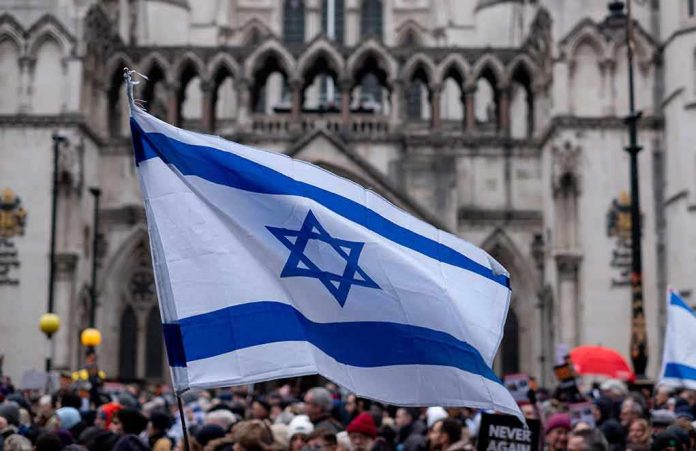
Several nations, including Spain, Ireland, Slovenia, and the Netherlands, have announced their withdrawal from Eurovision 2026 following Israel’s participation approval. This decision underscores persistent political tensions that have long surrounded the international song contest. The countries involved in the boycott argue that allowing Israel to compete undermines the event’s neutrality and inclusivity, challenging the core values that Eurovision claims to uphold.
Conservative commentators have noted that this development reflects broader globalist conflicts. They argue that Eurovision, traditionally a platform for cultural exchange, is now embroiled in political disputes that detract from its original purpose. This incident is seen as part of a larger pattern where international events become battlegrounds for political ideologies, often at the expense of cultural expression and unity.
Political Implications and Reactions
The boycott has sparked intense debate across Europe and beyond. Supporters of the boycott emphasize the need for political accountability and fairness, while critics highlight the importance of cultural dialogue and the dangers of politicizing artistic platforms. The situation has also reignited discussions about Eurovision’s role in promoting inclusivity versus becoming a stage for political agendas, with Israel’s participation as a focal point of contention.
For many conservatives, this incident underscores the threat of globalism and the erosion of national sovereignty. They argue that events like Eurovision should focus on celebrating cultural diversity without succumbing to political pressures. This perspective aligns with broader concerns about international organizations overstepping their bounds and infringing upon individual nations’ rights to self-determination.
The Path Forward for Eurovision
As Eurovision 2026 approaches, organizers face a challenging road ahead. They must navigate the delicate balance between maintaining the event’s cultural significance and addressing the political realities that have become intertwined with its existence. The boycott serves as a reminder of the complex interplay between politics and culture, and the need for careful consideration of all stakeholders’ interests.
Ultimately, the inclusion of Israel in Eurovision 2026 has become a flashpoint for broader debates about the event’s future direction. As conservative voices call for a return to the contest’s roots, emphasizing cultural celebration over political conflicts, the situation presents an opportunity for Eurovision to reassess its values and role on the global stage.
Sources:
Four countries to boycott Eurovision 2026 as Israel cleared to compete