
A cable-news clash over Iran reignited a long-running fight about whether Washington “paid” a hostile regime—or simply stumbled into a deal Americans still don’t trust.
Quick Take
- Fox Business host Maria Bartiromo and Rep. Ro Khanna (D-CA) sparred over “Operation Epic Fury” and whether past diplomacy helped or emboldened Iran.
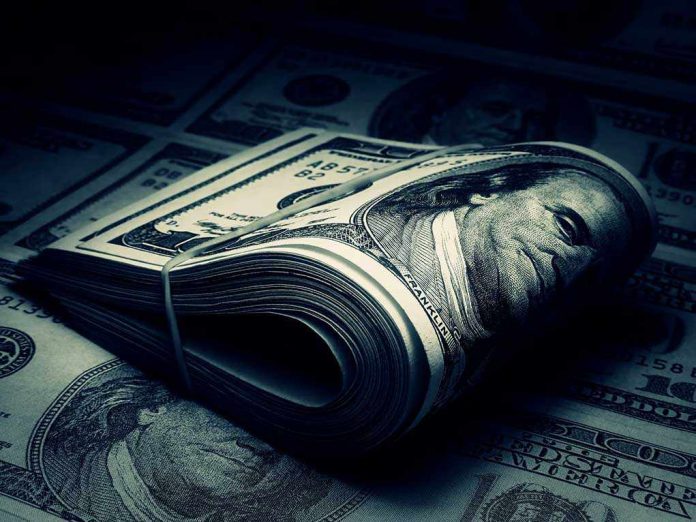
- Bartiromo cited “pallets of cash” and other Obama-era claims; available fact-checking confirms a cash shipment but disputes common “giveaway” framing.
- The verified core: the U.S. settled a $1.7B pre-1979 arms dispute with Iran, including $400M delivered in cash as sanctions-era banking channels were limited.
- Unverified elements referenced in the TV exchange—like specific Hezbollah-linked wire transfers and a Valerie Jarrett “back channel”—are not corroborated in the provided fact-check sources.
Fox Segment Turns Iran Policy Into a Referendum on Obama-Era Deals
Maria Bartiromo confronted Rep. Ro Khanna during a Monday morning Fox Business segment as the two argued about U.S. strategy toward Iran during what the broadcast described as “Operation Epic Fury.” Khanna criticized the current approach as failing to stop Iran’s nuclear progress, while Bartiromo defended efforts aimed at preventing Tehran from obtaining a nuclear weapon. The exchange escalated when it shifted from present-day deterrence to the legacy of the Obama administration’s Iran diplomacy.
Maria Bartiromo Unloads on Far-Left Rep. Ro Khanna for Absurb Claim Obama 'Delivered' on Iran: 'He Sent Pallets of Cash!' https://t.co/F5ciwF0S8z #gatewaypundit via @gatewaypundit
— Batalysta (@batalysta) April 20, 2026
Bartiromo’s critique leaned on a familiar conservative concern: government “deals” that look technical on paper but feel reckless when the counterparty is a state tied to terrorism and regional aggression. She invoked “pallets of cash” sent to Iran and argued that such moves signaled weakness. The segment also referenced more specific allegations—like multiple wire transfers and a continuing “back channel”—but the research provided does not include independent documentation confirming those additional details.
What’s Confirmed About the “Pallets of Cash” Claim—and What Isn’t
Available reporting and fact-checking draw a distinction between rhetoric and the documented record. PolitiFact has noted that the U.S. arranged a $1.7 billion settlement tied to a pre-1979 arms deal dispute, and that $400 million was delivered in cash in January 2016. That cash delivery coincided with a prisoner release, which fueled public suspicion about leverage and incentives, even as the administration argued the money was legally owed.
The remaining $1.3 billion portion of the settlement is less clearly described in the research, with the method not definitively established and cash transfers discussed as a possibility due to Iran’s limited access to traditional banking channels under sanctions. Separately, broader claims that Obama “gave” Iran enormous sums—often cited as $150 billion—are described in fact-checking as inflated or misleading because the largest figures referenced Iran’s own frozen assets that became accessible after sanctions relief.
Why This Still Hits a Nerve: Trust, Deterrence, and the Cost of Elite Mistakes
The political resonance is not just about accounting; it is about trust in how foreign-policy “experts” weigh American risk. Conservatives tend to see cash transfers and sanctions relief—regardless of legal rationale—as creating moral hazard when dealing with regimes that fund proxies and threaten U.S. interests. Liberals often argue diplomacy can freeze or slow nuclear progress. The problem is that both sides now confront a shared anxiety: Washington repeatedly makes high-stakes choices with limited transparency and contested results.
Claims Made on TV Need Receipts—Especially When War Is on the Table
The most explosive allegations in the segment—such as 14 wire transfers allegedly linked to Hezbollah and a long-running post-presidency “back channel” involving Valerie Jarrett—are described in the research as unverified and are not substantiated by the fact-check sources provided. That matters because disputed claims can shape public consent for escalation. When the public hears “cash” and “terror,” many assume taxpayer dollars directly funded enemies, even when the underlying transaction was framed as a settlement of disputed assets.
The Bigger Pattern: Partisan Media Fights Fill the Void Left by Congress
The Bartiromo–Khanna exchange underscores how national-security debates increasingly play out as media trials rather than congressional fact-finding. Republicans controlling Congress and the White House in Trump’s second term have more room to set a tougher posture, while Democrats often focus on opposing escalation. Yet frustration with “the system” cuts across both camps when leadership appears more invested in winning arguments than producing verifiable answers—what was paid, why, through what mechanism, and under what enforceable constraints.
@POTUS How much made it back to Politan's and others in the USA who allowed this.
Maria Bartiromo Unloads on Far-Left Rep. Ro Khanna for Absurb Claim Obama ‘Delivered’ on Iran: ‘He Sent Pallets of Cash!’https://t.co/SRSk1Z5qqO— Paul (@pjones461) April 20, 2026
For voters trying to judge today’s Iran policy, the most grounded takeaway is narrower than cable-TV combat suggests: a cash shipment happened, the settlement was real, and political messaging often blurs the line between “legally owed” funds and “aid.” The unverified claims may still be investigated, but until they are backed by documentation, Americans should treat them as allegations—not as settled proof—especially when the stakes include wider conflict and the credibility of U.S. deterrence.
Sources:
Talking Fantasy! Fox’s Maria Bartiromo Throws Down With Ro Khanna in Fiery War Debate
Handel pushes details on Iran deal, terror support
Facebook claim wrongly states Obama gave Iran $150 billion