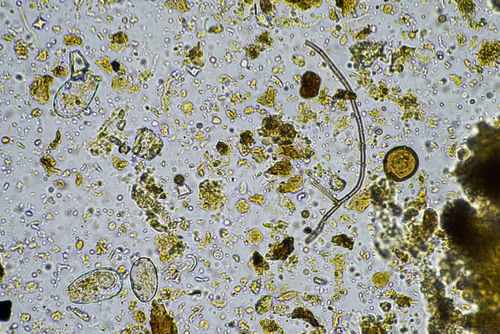
Doctors sliced into a mysterious brain lesion and found an 8-centimeter worm still alive and wriggling.
Story Snapshot
- Surgeons pulled a living carpet python parasite from a 64-year-old woman’s brain, a world first.
- Her year-long “mystery illness” looked like autoimmunity until scans showed migrating organ lesions.
- Researchers believe she picked up the worm’s eggs while foraging wild greens near python habitat.
- The case exposes how modern medicine can miss rare zoonotic threats as people chase “natural” living.
The strange case that began like a vague flu
A 64-year-old woman from rural New South Wales did not walk into the hospital with a horror headline. She came in with stomach pain, diarrhea, night sweats, a dry cough, and feeling worn out. Her doctors saw lung changes and high levels of a certain white blood cell called eosinophils, but no obvious infection. They labeled it a rare blood and lung problem and put her on steroids to calm her immune system. That decision shaped everything that followed.
Over the next year, her problems refused to fit in a neat box. Scans showed odd lesions in her lungs, liver, and spleen that appeared and moved, the medical version of footprints wandering through the body. Blood tests kept showing eosinophils off the charts, a classic sign the immune system is fighting parasites or allergies. Yet every search for germs came back empty. The team treated it like autoimmune disease, not a living invader, and her immune defenses stayed pushed down by long-term steroids.
When mood changes point to a deeper physical threat
About 18 months after her first symptoms, the story took a quiet but chilling turn. She developed worsening depression, forgetfulness, and subtle cognitive issues that did not match simple stress or aging. An MRI scan of her brain finally revealed a 13 millimeter lesion in her right frontal lobe. That part of the brain helps control mood, planning, and personality. A biopsy was planned to rule out cancer or inflammation. No one expected a surgeon’s forceps to grab something that moved on its own.
During the brain surgery in June 2022, the neurosurgeon opened the lesion and saw an 8 centimeter roundworm, red and still wriggling inside her frontal lobe. The worm was removed intact, a third-stage larva of Ophidascaris robertsi, a parasite normally found in carpet pythons. Genetic testing confirmed the species and stunned the research team. Associate Professor Sanjaya Senanayake later called it “the first-ever human case of Ophidascaris” and the first known mammalian brain case worldwide. This was not just strange; it was historic.
How a python parasite crossed into a human brain
Ophidascaris robertsi usually lives in carpet pythons, shedding eggs in the snakes’ feces. Small mammals and other animals can eat contaminated plants and carry the developing larvae. Humans are not supposed to be part of this cycle. In this case, the woman frequently foraged native warrigal greens from areas near lakes and python habitat. Researchers suspect she touched or ate vegetation contaminated with python droppings and swallowed the invisible eggs. From there, the larvae likely hatched in her gut and began a slow, damaging migration.
Her clinical story fits a pattern called “visceral larva migrans,” where larvae travel through organs leaving inflammation as they go. The migrating lesions in her lungs, liver, and spleen and her sky-high eosinophil counts track with that pattern. The team believes her long-term immunosuppression from steroids made it easier for the larvae to push into the central nervous system. In plain terms, dampening her immune system opened the door, and one larva walked through it and set up shop in her brain.
Recovery, media hype, and what the story really proves
After the worm was removed, doctors treated her with antiparasitic drugs like albendazole and ivermectin along with steroids to control inflammation, and her blood tests normalized over six months. Her mood and cognitive symptoms improved, though some issues lingered. She did not suffer obvious strokes or paralysis, which is remarkable given something was literally coiled inside her frontal lobe. The case was published by the United States Centers for Disease Control and Prevention and confirmed by Australia’s top science agency.
Tabloid outlets turned this into a “tapeworm and 38 brain parasites” scare headline, even though the documented case involved one live worm. That kind of hype feeds fear instead of clarity and distracts from the real lesson: rare zoonotic infections are usually single, freak events, not mass threats. From a common-sense, conservative view, the deeper warning is about respecting nature’s risks and demanding straight talk from institutions.
What this means for everyday people who like the outdoors
This case fits a pattern in Australia where strange new animal-borne diseases surface after years of quiet, often tied to wildlife or foraging habits rather than obvious bites. Helminth infections like this carpet python parasite still represent a tiny share of total zoonotic disease reports compared with bacteria and viruses. That should calm panic but not dull caution. Eating “wild” and “natural” does not erase real biological risk if you ignore fecal contamination and basic hygiene.
Public health agencies confirmed the case but did not launch loud campaigns about safe foraging near snake habitat. That silence leaves regular people guessing. The sensible middle ground is simple: wash and cook wild greens, be alert around wildlife droppings, and remember that low-probability does not mean zero. The woman’s story shows how one unnoticed mouthful can turn into a global first in a medical journal and a worm inside your frontal lobe. That is a plot twist nobody wants to live through.
Sources:
mirror.co.uk, wwwnc.cdc.gov, pubmed.ncbi.nlm.nih.gov, tools.cdc.gov, unmc.edu, instagram.com, frontiersin.org