
A grieving Illinois family says sanctuary protections and failed removal policies helped keep an illegal entrant on the streets until their daughter was killed — and they want answers, records, and accountability now [3][1].
Story Snapshot
- The victim’s family publicly tied the killing to sanctuary protections and failed federal removal decisions [3][1].
- House materials say Border Patrol records showed no asylum claim and that the suspect was released into the country [1].
- Oversight summaries say Chicago-area practices let the suspect return to the community after earlier custody [2].
- Key custody and detainer documents have not been released, leaving gaps opponents are exploiting [1][2].
Family’s Courthouse Message Targets Sanctuary Policies
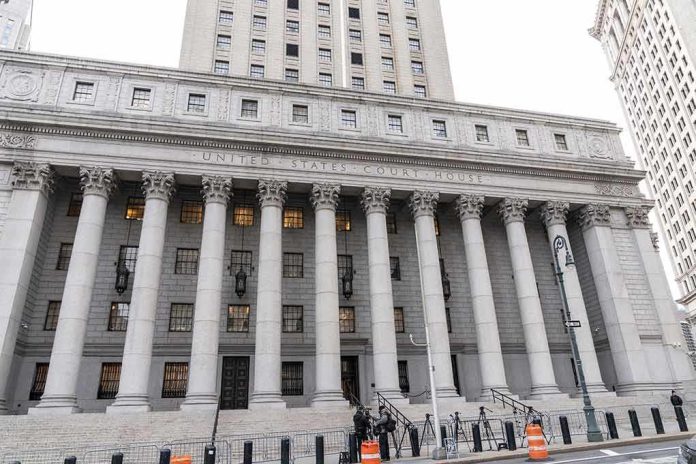
One America News Network reported the Gorman family asserted that broken border security, failed removal policies, and sanctuary protections “helped allow” Venezuelan national Jose Medina to remain in the United States before the deadly encounter with their daughter, Sheridan [3]. The coverage added that federal officials said Medina entered illegally and is now jailed on murder charges [3]. The family’s critique was not a one-off social post; it was delivered in a courthouse setting and reiterated in media appearances focused on the same case [3][1].
OANN further reported that Cook County Jail authorities found a six-inch shank fashioned from metal and medical tape in Medina’s possession, which the family argued undercut defense claims that he had a childlike mental capacity due to prior injury [3]. Their point was narrow but consequential: if Medina can craft contraband, then claims of profound incapacity should not blunt public scrutiny of the policy decisions that, in their view, left him in the community before the homicide [3].
What Congressional Materials Allege About Custody And Release
A House Judiciary video asserted that when Medina crossed the border he made no asylum claim, yet was released into American communities, framing the event as a federal decision that preceded Chicago’s later handling of him [1]. A House Oversight summary separately stated that in Chicago an illegal alien suspected in a murder investigation was taken into custody and then released when Cook County declined charges, allowing him back into the community [2]. Together, the accounts link federal release and local non-cooperation to the same tragic outcome [1][2].
These materials strengthen the family’s public claim while also revealing a core tension: if Border Patrol released Medina at entry, then federal policy decisions are central; if Cook County practices later prevented transfer to federal custody, then sanctuary rules also bear responsibility. Both may be true, but neither congressional piece is a substitute for detainers, transfer logs, bond orders, or intake records that would show the decisive moments that kept Medina in the country and out of federal hands [1][2].
Document Gaps And Why They Matter To Accountability
The available record lacks primary-source immigration and criminal custody documents, including any Immigration and Customs Enforcement detainer, release order, or specific Cook County handoff that pinpoints when a policy choice altered the timeline [1][2]. That gap matters. Without dated paperwork or sworn testimony from line officers, prosecutors, jail officials, and federal liaisons, opponents can claim the sanctuary critique is overbroad, while supporters can assert that federal release alone drove events. The result is a polarized narrative fight instead of verifiable accountability [1][2].
Family of Slain Student Blasts Sanctuary Policies.
"We're tired of the excuses." Sheridan Gorman's family blames sanctuary city policies for allowing the illegal immigrant suspect to remain in the U.S.
Watch OAN on Spectrum and YouTube TV Today! pic.twitter.com/l1ihlc8l7d
— One America News (@OANN) June 2, 2026
The path to clarity is straightforward. Agencies should release Border Patrol encounter files, parole or release memoranda, and any supervision terms explaining why Medina was freed after entry. Cook County should produce custody logs, court dockets, and any records reflecting whether immigration status was considered during prior contacts. Those materials would either confirm that sanctuary barriers blocked cooperation or show that a federal release decision, not a local wall, left Medina in the community before the killing [1][2].
What Conservatives Should Watch For Next
Conservative readers tracking border security, public safety, and constitutional order should focus on three concrete tests. First, does the paper trail show Immigration and Customs Enforcement sought a hold that Cook County declined? Second, do Border Patrol files document a discretionary release despite no asylum claim? Third, do court and jail records reveal missed chances to detain or transfer Medina? Clear answers would move this case from outrage to reform, closing loopholes that cost innocent Americans their lives [1][2][3].
Sources:
[1] YouTube – Family of Slain Student Blasts Sanctuary Policies
[2] YouTube – The Human Toll of Sanctuary Policies: Stories from Victims and …
[3] Web – Hearing Wrap Up: Sanctuary Mayors Refuse to Change Policies …