

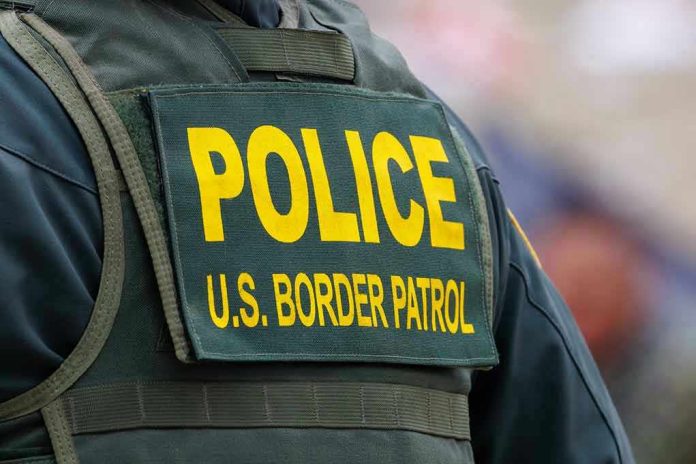
ICE detentions at USCIS facilities are sparking outrage as military spouses and foreign-born partners are arrested during green card interviews.
Story Highlights
- ICE arrests military spouses at green card interviews in San Diego.
- Policy shift contradicts decades of forgiving visa overstays for marriage-based applicants.
- Detentions impact military families, threatening family unity and military readiness.
- Enforcement at USCIS facilities raises questions about appropriate venues for immigration actions.
ICE Targets Military Spouses at USCIS Interviews
Since mid-November 2025, ICE agents have conducted a series of arrests at USCIS facilities in San Diego, targeting foreign-born spouses of U.S. citizens during marriage-based green card interviews.
This enforcement, primarily citing visa overstay violations, marks a stark departure from long-standing policies where such infractions were traditionally forgiven, especially for military families. This development has cast a shadow over what was once considered a safe, legal pathway to permanent residency.
The arrests have occurred in a uniquely unprecedented venue—inside federal USCIS buildings, disrupting official interviews. This shift aligns with the Trump administration’s enhanced immigration enforcement priorities announced in 2025. The San Diego facility, a major processing center for marriage-based green cards, has become a focal point due to its predictable scheduling and pre-screened entry, making it operationally efficient for ICE enforcement.
Impact on Military Families and Legal Pathways
Military families, among those directly affected, have expressed significant concern over these detentions. Traditionally protected due to their service connection, these families now face unexpected separations and legal challenges.
Detaining military spouses during USCIS interviews disrupts family unity, a principle that has long supported visa overstay forgiveness. Additionally, this enforcement approach threatens military readiness, as service members may reconsider their commitments if family stability is compromised.
Immigration attorneys are actively challenging this abrupt policy reversal, arguing that it undermines established legal practices. They contend that marriage-based green card applicants should not face enforcement actions during official proceedings, which have historically been deemed safe venues for legal immigration processes.
The enforcement has also led to a chilling effect, with reports of empty waiting rooms at USCIS locations as applicants cancel or postpone their interviews.
Broader Implications and Continuing Debate
The detentions raise profound questions about immigration enforcement’s future scope and methodology. By targeting individuals during legal proceedings, ICE sets a precedent that could extend to other visa categories.
This approach undermines trust in USCIS as a safe venue for immigration processes, potentially affecting broader immigration policy discussions. The economic and social impacts are equally significant, with families facing financial burdens from legal fees and loss of income due to detention.
As the situation evolves, legal advocates and military communities continue to voice opposition, hoping for policy clarifications that could reinstate protections for military families and restore confidence in the immigration system.
The debate underscores the need for a balanced approach that respects legal pathways while addressing enforcement priorities.
Sources:
‘I kind of feel betrayed’: ICE arrests military spouses at San Diego green card interviews